
Leadership is not only measured by titles or authority. It is measured by behavior. The way a leader treats people during ordinary days says a lot. But the way a leader behaves during meaningful moments says even more. New Year celebrations often reveal this side clearly.
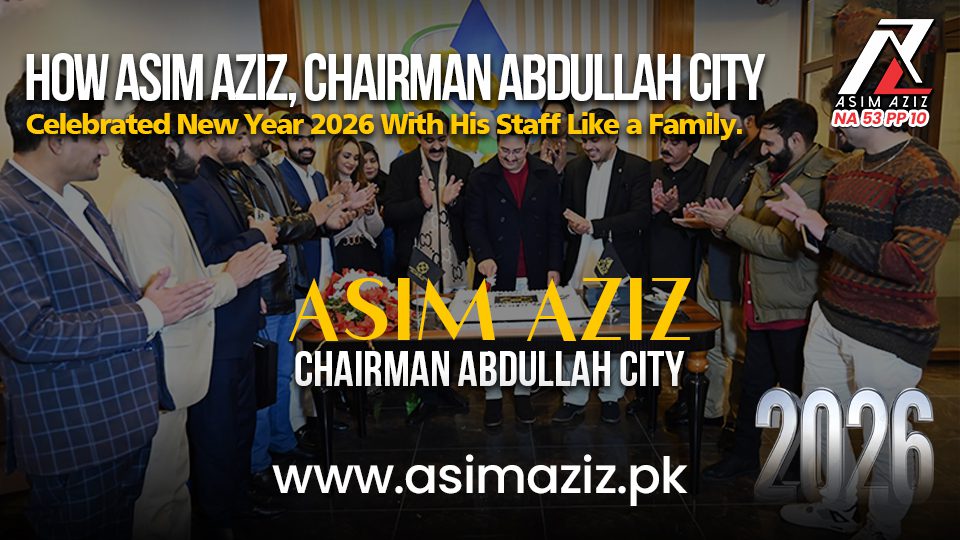
At the start of 2026, Asim Aziz Chairman of Abdullah City, chose to welcome the new year not with formality or distance, but with people who work with him every day. He spent the moment with his staff. Not as a boss. But as part of a shared team. This simple act reflected deeper leadership values that many people notice and respect.
This blog explains that moment through the lens of leadership. It focuses on qualities that define a good leader and how actions, not slogans, create trust.
Why Leadership Is Defined by Actions, Not Words
Many people talk about leadership. Fewer people show it. Real leadership appears in daily conduct. It appears in listening. It appears in respect.
A leader who values people does not wait for crises to show care. He shows it in small decisions. Spending time with staff during the New Year is one of those decisions. It sends a message of inclusion. It tells people that they matter beyond their roles. In professional environments, such gestures build emotional trust.
New Year as a Symbol of Shared Journey
The New Year is not only a calendar change. It represents reflection and renewal. For teams, it also represents shared effort. Every completed year includes challenges, long hours, and unseen contributions.
By celebrating new year 2026 with his staff Asim Aziz acknowledged that shared journey. He recognized that progress is not individual. It is collective. This recognition matters deeply in organizational culture. People remember how they are treated at turning points.
Leadership That Feels Human
One quality that defines effective leaders is approachability. People feel comfortable around them. They feel heard. They feel safe to speak.
Asim Aziz is often described by those around him as calm and grounded. During the New Year gathering, there was no visible hierarchy. Conversations were natural. The environment felt relaxed. Such settings break invisible walls between management and staff. When leaders behave like humans first, loyalty grows naturally.
Respect Is the Foundation of Strong Teams
Respect cannot be demanded. It is earned. Leaders earn respect by valuing time, effort, and dignity. Celebrating with staff shows respect in a quiet way. It does not require speeches. It does not require announcements. The presence itself is enough. In professional psychology, respect-driven environments show higher commitment and lower conflict.
Why Family-Like Culture Matters at Work
The word “family” in workplace culture does not mean lack of discipline. It means care within structure. It means support without favoritism. When leaders refer to their team as family, it reflects responsibility.
It means the leader understands that people bring emotions, pressure, and personal lives to work. The New Year celebration reflected this balance. Professional boundaries remained intact. Yet warmth was present.
Emotional Intelligence in Leadership
Emotional intelligence is a key leadership skill. It includes awareness, empathy, and self-control. Spending time with staff during celebrations reflects emotional awareness. It shows the leader understands the importance of morale.
It shows sensitivity to human needs beyond tasks and targets. Such intelligence cannot be taught easily. It is developed through experience and reflection.
Leadership During Calm Moments Matters Too
Leadership is often discussed during crises. But calm moments are equally revealing. Anyone can lead during emergencies.
Few lead meaningfully during normal times. New Year celebrations are calm moments. They offer no pressure. The choice to be present in such moments shows consistency. Consistency builds credibility.
Asim Aziz’s Leadership Style: Observed Traits
People who work closely with Asim Aziz often highlight certain traits. These observations come from daily interactions, not public statements.
Commonly mentioned qualities include:
- Calm decision-making
- Listening before responding
- Respect for process
- Focus on long-term vision
- Fair treatment
These traits appeared naturally during the New Year gathering. There was no attempt to project authority. The environment spoke for itself.
The Role of Humility in Leadership
Humility does not mean weakness. It means awareness of one’s role within a larger system. Leaders who show humility create space for others to grow. They do not dominate conversations.
They encourage contribution. Sharing a New Year moment with staff reflects humility. It signals that leadership is not about separation. It is about connection.
Trust Is Built in Informal Moments
Formal meetings create structure. Informal moments create trust. When leaders interact casually with their teams, people see authenticity. They see consistency between words and actions. Trust developed in such moments carries into professional settings. It improves communication. It reduces misunderstandings.
Why Staff Morale Matters for Long-Term Vision
No organization grows without people. Infrastructure and planning matter. But people execute plans.
High morale leads to:
- Better collaboration
- Lower turnover
- Stronger accountability
- Healthier work culture
Leaders who understand this invest time in people. Not through rewards alone, but through presence.
Abdullah City as a Workplace Environment
Abdullah City is often discussed in terms of planning and development. Less discussed is the internal culture behind such projects. Workplace culture influences outcomes. Leaders set that culture. When leadership reflects respect and inclusion, teams reflect it in their work. The New Year gathering highlighted that internal dimension.
Leadership Beyond Titles
Titles define roles. Behavior defines leadership. Asim Aziz’s role as Chairman places responsibility on his decisions. But leadership is reflected in everyday conduct. Choosing to stand with staff rather than above them during celebrations reflects leadership beyond designation.
Why Such Gestures Are Remembered
People forget emails. People forget meetings. But people remember how leaders made them feel. Celebrating New Year together creates memory. It becomes part of the organizational story. Such stories travel beyond offices. They shape reputation quietly.
A Balanced Leadership Approach
Effective leaders balance authority and empathy. Too much authority creates fear. Too much informality creates confusion. The New Year celebration reflected balance. Professional respect remained. Warmth was present. The structure was not compromised. This balance is difficult to achieve but essential.
Lessons for Future Leaders
Upcoming leaders can learn from such examples. Leadership is not only strategy. It is behavior.
Key lessons include:
- Be present during meaningful moments
- Respect people beyond roles
- Lead consistently in calm and pressure
- Value emotional intelligence
- Build trust through action
These lessons apply across industries.
Why People Follow Leaders Like Asim Aziz
People follow leaders they trust. Trust grows when leaders remain consistent. Asim Aziz’s approach reflects steadiness. There is no sudden shift in behavior. The same respect appears in formal meetings and informal gatherings. This consistency attracts long-term loyalty.
The Meaning of Starting 2026 Together
Starting a new year together sends a message of unity. It tells teams that the journey ahead is shared. Such beginnings set tone. They influence how people approach challenges. They strengthen commitment. For staff, it reinforces belonging.
Leadership Is a Continuous Practice
Leadership does not switch on during events. It is continuous. Every interaction adds to perception. New Year 2026 was one moment among many. But such moments accumulate. They define leadership identity over time.
Conclusion
Leadership is not defined by distance. It is defined by connection. Asim Aziz’s decision to celebrate New Year 2026 with his staff reflects leadership rooted in respect, humility, and emotional awareness.
It shows that strong leaders do not separate themselves from their teams. They stand with them. They recognize shared effort. They value people beyond productivity. In a professional world driven by targets and timelines, such human-centered leadership leaves a lasting impact. It strengthens trust. It builds culture. And it shapes organizations quietly, but firmly.